
Massachusetts, particularly Boston, leads in electronics recycling with established collection points, community centers, and certified facilities. Residents can responsibly dispose of e-waste by exploring free pick-up services, identifying recyclable items, and participating in local events. Choosing certified recyclers ensures secure data destruction and responsible material handling. By actively engaging in these programs, Boston sets a standard for sustainable e-waste management, demonstrating where to recycle electronics Boston effectively.
In the rapidly evolving digital landscape, responsibly managing electronic waste has become a paramount concern for communities across Massachusetts, especially Boston. The proper recycling of electronics is crucial to mitigating environmental impact and ensuring valuable resources are reclaimed. However, navigating the best options for where to recycle electronics in Boston can be challenging, given the diverse types of devices and ever-changing regulations. This article offers an authoritative guide to exploring and implementing effective recycling programs for electronics in Massachusetts, with a particular focus on Boston's unique context. By providing actionable insights, we aim to empower residents and businesses alike to contribute significantly to sustainable practices.
- Understanding Electronics Recycling in MA
- Identifying Boston's Top Electronic Waste Centers
- Step-by-Step Guide: Recyling Electronics Responsibly
- Benefits and Challenges of Local Electronics Recycling Programs
Understanding Electronics Recycling in MA

Electronics recycling in Massachusetts, particularly in urban centers like Boston, has evolved into a robust system designed to mitigate e-waste while promoting sustainable disposal practices. Understanding where to recycle electronics Boston and beyond is crucial for both residents and businesses looking to contribute positively to environmental conservation. The state's initiatives focus on managing e-scrap collection points across various municipalities, ensuring that electronic devices from outdated computers to small appliances like mini-fridges find their way into responsible hands.
In Cambridge, for instance, local authorities have established multiple e-scrap collection points, allowing residents to dispose of electronics responsibly. These collections often coincide with regular recycling events, making it convenient for folks to participate in the eco-friendly process. When considering what about recycling mini-fridges and similar smaller items, these collection points cater to a wide range of electronic devices, ensuring no gadget goes unrecycled. The program's success underscores Massachusetts' commitment to handling e-waste effectively, preventing potentially harmful substances from entering landfills.
Beyond local collections, there are best ways to dispose of electronics locally that residents can explore. Community recycling centers and non-profit organizations often partner with manufacturers to facilitate the responsible recycling of electronic equipment. By engaging in these programs, Boston residents not only contribute to a cleaner environment but also support initiatives that promote innovation in sustainable technologies. Ultimately, Massachusetts' robust electronics recycling infrastructure serves as a model for other regions, demonstrating that proactive measures can lead to significant environmental benefits and foster a greener future.
Identifying Boston's Top Electronic Waste Centers

Boston residents and businesses generate significant electronic waste (e-waste), from outdated computers and phones to gaming consoles. Navigating responsible recycling for these devices is essential to protect our environment and ensure hazardous materials are disposed of safely. Thankfully, Boston offers a range of top-tier centers dedicated to recycling electronics responsibly.
Identifying the best options starts with understanding local needs and capabilities. Many centers in Boston offer free pick-up services for e-waste, making it easier than ever to recycle outdated devices like those old gaming consoles gathering dust in your closet. Startups and businesses looking for responsible recycling solutions should explore programs that specialize in handling tech waste, promoting not just disposal but also upcycling old tech into new resources. For example, some centers offer refurbishment programs that give discarded electronics a new lease of life.
When selecting an e-waste recycler in Boston, prioritize facilities with robust environmental credentials and transparent practices. Look for certification from recognized organizations like the Electronic Industries Alliance (EIA) or R2 (Responsible Recycling). These certifications guarantee secure data destruction and responsible handling of materials throughout the recycling process, ensuring your old technology is not only recycled but also contributes to a sustainable future.
Step-by-Step Guide: Recyling Electronics Responsibly

Recycling electronics responsibly is a critical step towards mitigating the environmental impact of technological advancements. With Boston leading the way in green initiatives for tech waste, it's crucial to understand the best practices for disposing of outdated devices. This guide will walk you through the process, ensuring your electronic waste ends up in the right hands.
Start by identifying what needs recycling. Common items include computers, phones, tablets, and TVs. For instance, Boston offers several disposal solutions for outdated TV sets, with many local recyclers providing pick-up services or drop-off centers. Check with Boston's top-rated electronics recyclers to find those that accept a wide range of devices. These professionals employ eco-friendly methods to process materials like plastics, metals, and glass, ensuring hazardous substances are safely contained and recycled accordingly.
Local recycling events for tech accessories are another excellent opportunity to contribute. Keep an eye out for community drives or partnerships with local businesses that organize such events. For instance, recent studies show that proper electronic waste management can reduce carbon emissions by up to 70% compared to landfilling. By participating in these events, you not only help the environment but also enable the collection of valuable materials that can be reused and repurposed.
Additionally, explore green initiatives specifically tailored for tech waste. Boston has made significant strides in this area, providing residents with convenient options for responsible recycling. Remember, every small step counts. By following these guidelines and supporting local efforts, you're contributing to a more sustainable future, keeping Boston's electronic waste out of landfills and ensuring its components are given new life.
Benefits and Challenges of Local Electronics Recycling Programs
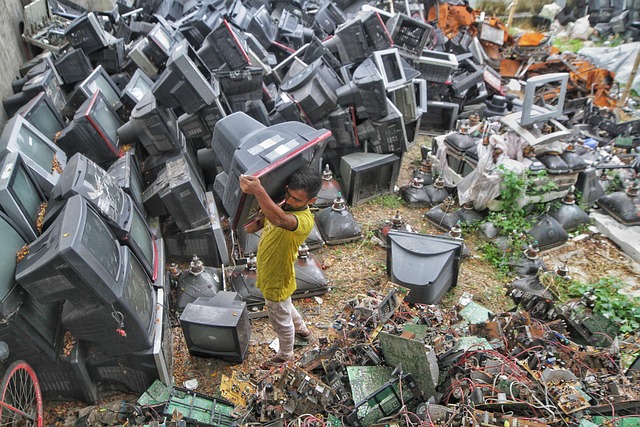
Boston, a city known for its forward-thinking initiatives, stands out with robust local electronics recycling programs that not only benefit the environment but also highlight the community's commitment to responsible waste management. These programs, often run by local heroes in electronic waste management, offer e-recycling services with same-day pickup, making it easier than ever to dispose of outdated devices responsibly. The benefits are clear: proper recycling reduces the environmental impact of electronics, recovers valuable materials, and prevents harmful substances from ending up in landfills.
However, challenges remain. Electronic waste is a complex issue, with many types of devices and varying recyclability. For instance, while phones, tablets, and laptops are commonly recycled through local programs, less attention is given to items like outdated gaming consoles. According to recent data, only about 20% of electronic waste in the US is formally recycled, leaving a significant portion to be managed improperly. Boston residents have the opportunity to contribute positively by utilizing the city's extensive recycling infrastructure, which includes drop-off centers and collection events.
To make the most of these programs, Boston residents should educate themselves on what items are recyclable and how to prepare them properly. For example, erasing personal data from devices before recycling can enhance privacy protection. Local organizations often partner with national recycling firms, ensuring that materials are processed responsibly, whether it's transforming old phones into raw resources for new devices or repurposing components to extend the lifespan of valuable metals. By participating actively in these programs, Boston can set an example for sustainable e-waste management, proving that where to recycle electronics in Boston is not just a question but a collective responsibility.
By understanding the intricacies of electronics recycling in MA and navigating where to recycle electronics Boston residents have a direct impact on mitigating e-waste challenges. The article has illuminated several key insights: first, proper identification of top electronic waste centers in Boston is crucial; second, a step-by-step responsible recycling guide ensures environmental safety; third, local programs offer significant benefits but face challenges that can be addressed through informed participation. Moving forward, residents and businesses alike should prioritize these steps: familiarize themselves with local regulations, choose reputable centers, and encourage community involvement to foster an efficient and sustainable electronics recycling ecosystem in Boston.