
Boston offers a robust network for eco-friendly tech recycling through partnerships with local centers and events. Facilities like BERC and certified services ensure secure data destruction and specialized handling of electronic devices, diverting hazardous waste from landfills. Residents can participate in free programs with R2 or e-Stewards certifications, contributing to resource conservation and environmental sustainability by choosing where to recycle electronics Boston provides. Community engagement through convenient drop-off points and educational initiatives increases responsible recycling rates, reducing the city's carbon footprint.
As the world grapples with the growing electronic waste crisis, sustainable tech recycling emerges as a vital solution. Electronic devices, once cherished gadgets, often end up in landfills, posing significant environmental hazards. Boston, being a tech hub, contributes to this issue but also offers a promising path forward—local eco-friendly tech recycling programs. This article delves into the challenges posed by e-waste and explores these innovative initiatives that not only provide a sustainable disposal method but also offer opportunities for upcycling and resource recovery. Discovering where to recycle electronics Boston can be a game-changer in our quest for a greener future.
- Understanding Boston's Eco-Friendly Tech Recycling Options
- Identifying Safe Disposal Methods for Electronics
- Locating Certified Electronic Waste Recycle Centers in Boston
- The Benefits and Process of Responsible Recycling
- Community Engagement: Encouraging Local Tech Recycling Participation
Understanding Boston's Eco-Friendly Tech Recycling Options

Boston, known for its commitment to environmental sustainability, offers a robust ecosystem of eco-friendly tech recycling options. Residents and businesses alike can play a vital role in reducing electronic waste by taking advantage of nearby electronics recycling events Boston hosts regularly. One notable initiative is the city's partnership with local recycling centers, ensuring convenient access to responsible disposal methods.
Navigating where to take old computers for recycling has never been easier. Several recycling centers are open on weekends, accommodating those with busy schedules. For instance, the Boston Electronic Recycling Center (BERC) not only accepts a wide range of electronic devices but also provides transparent pricing and secure data destruction services. This center serves as a model for responsible tech disposal in the region. Data from local environmental agencies reveals that proper recycling of old phones and other electronics can significantly reduce the city's carbon footprint, underscoring the importance of these initiatives.
Ethically disposing of electronic devices is more than just a responsibility; it's an opportunity to contribute to Boston's green future. Residents are encouraged to stay updated on local events and centers dedicated to tech recycling. For instance, annual community clean-up drives often include collection points for old electronics, fostering a culture of sustainability. Ultimately, understanding where to recycle electronics in Boston is not just about getting rid of old gadgets; it's about contributing to a healthier environment and setting an example for others to follow.
Identifying Safe Disposal Methods for Electronics

Navigating the complex landscape of electronic waste management requires a strategic approach, especially in densely populated areas like Boston where resources and options can seem overwhelming. Identifying safe disposal methods for electronics is not just an environmental concern but also a crucial responsibility for residents and businesses alike. The city's vibrant tech scene has given rise to a growing mountain of e-waste, underscoring the need for effective, eco-friendly alternatives to regular recycling.
Local heroes in electronic waste management are stepping up with innovative e-recycling services that offer same-day pickup, ensuring convenience and minimal disruption. These forward-thinking initiatives not only support sustainable practices but also help divert hazardous materials from landfills. For instance, consider the impact of proper e-waste recycling in Boston; according to recent studies, over 50% of electronic devices discarded annually could be recycled for valuable resources like gold, silver, and copper. By opting for local eco-friendly tech recycling options, residents can contribute to a circular economy while reducing their environmental footprint.
When faced with the task of recycling old electronics Boston, it's essential to understand that not all methods are created equal. Traditional recycling centers often struggle with the complex mix of materials found in modern devices. This is where specialized e-recycling services excel, employing sophisticated techniques and facilities capable of handling diverse electronic components safely. These services provide an opportunity for individuals and businesses to responsibly dispose of outdated tech while exploring eco-friendly alternatives that go beyond conventional recycling methods.
In addition to same-day pickup, these leading e-recycling programs offer transparency in their processes, ensuring that devices are disassembled, sorted, and recycled responsibly. This level of commitment not only protects the environment but also empowers consumers to make informed choices. By choosing local eco-friendly tech recycling options, Boston residents can actively participate in sustainable practices, knowing their old electronics are being transformed into valuable resources while minimizing the potential harm associated with improper disposal.
Locating Certified Electronic Waste Recycle Centers in Boston

Boston residents and businesses generate a significant amount of electronic waste (e-waste), making responsible recycling crucial for our city's environmental health. The good news is that locating certified electronic waste recycle centers in Boston has never been easier. Several reputable organizations offer free electronics recycling programs MA, ensuring proper disposal and recovery of valuable materials.
When considering where to recycle electronics Boston, it's essential to choose facilities with the necessary certifications, such as R2 or e-Stewards, which guarantee secure data destruction and environmental responsibility. Top-rated Boston e-waste management companies like Greentec, Recycle My Electronics, and Sustainable Electronics Recycling (SER) provide these services. For instance, SER boasts an impressive 95% material recovery rate, demonstrating their commitment to maximizing resource value while minimizing environmental impact.
After dropping off your electronics at one of these centers, what happens next? The process involves disassembly, sorting, and recycling various components like metals, plastics, and glass. Some materials may even be refurbished or remanufactured for resale, reducing the need for virgin resources. By participating in these free electronics recycling programs MA, Boston residents contribute to a circular economy, where waste becomes valuable feedstock for new products. This not only helps conserve natural resources but also reduces the environmental footprint associated with mining and manufacturing.
The Benefits and Process of Responsible Recycling
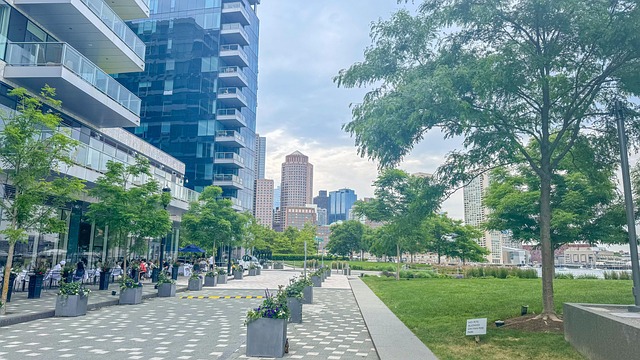
Responsible electronics recycling is an essential component of a sustainable future, and Boston, along with its neighboring cities like Cambridge, leads the way in eco-friendly tech disposal practices. The benefits of proper e-scrap management are multifaceted: it reduces environmental pollution by diverting hazardous materials from landfills, conserves natural resources, minimizes greenhouse gas emissions, and promotes a circular economy. Boston residents and businesses have numerous options for recycling electronics responsibly, ensuring that old devices like phones, tablets, and laptops find new life instead of ending up in landfills.
The process begins with identifying reliable recycling centers and programs. In Boston, several initiatives make it convenient to recycle electronics. For instance, many local municipalities offer free electronics recycling programs, collecting e-scrap from residents at designated drop-off points. Cambridge, for its part, has established multiple e-scrap collection points throughout the city, making responsible recycling even more accessible. These programs ensure that a wide range of recyclable items, including computers, monitors, printers, and mobile devices, are properly disposed of.
Beyond local efforts, there are national trends to consider. The U.S. Environmental Protection Agency (EPA) emphasizes the importance of e-recycling, providing guidelines and resources for consumers. Many electronics manufacturers also offer take-back programs, allowing customers to return old devices for proper recycling. Utilizing these resources ensures that Boston residents can make informed choices about their electronic waste, contributing to a greener community both locally and nationally. By embracing responsible recycling practices, we collectively take a significant step towards preserving our planet's resources for future generations.
Community Engagement: Encouraging Local Tech Recycling Participation

Community engagement plays a pivotal role in fostering effective local eco-friendly tech recycling practices. Encouraging participation from Boston residents is essential to ensure that electronic waste (e-waste) is responsibly managed and recycled. One of the primary challenges in e-waste management is engaging the public, especially when it comes to older electronics like computers, phones, and TVs that might be gathering dust in homes across the city.
Boston offers several free electronics recycling programs through partnerships with local non-profits and government initiatives, where residents can drop off their old electronics at designated collection points. These programs not only provide a convenient way to recycle but also serve as educational hubs, raising awareness about the environmental impact of e-waste. For instance, organizations like the Boston Environmental Commission host regular events, such as "e-recycling days," which have proven successful in gathering significant amounts of e-waste from across the community.
Data suggests that proper recycling of electronics can significantly reduce environmental harm. According to recent studies, recycling one ton of computers saves up to 537 kilograms of iron and 15 metric tons of carbon dioxide emissions. By participating in local recycling initiatives like those available in Boston, residents contribute to a circular economy, where old electronics are repurposed or safely dismantled for their valuable components. After dropping off recyclables, residents can rest easy knowing that their devices will be processed responsibly, with hazardous materials properly contained and resources reclaimed for future use.
To encourage broader participation, community leaders and local businesses should play an active role in promoting these programs. Simple measures such as distributing informational flyers, hosting workshops on responsible e-waste disposal, or offering incentives for large drop-offs can significantly increase the volume of recycled electronics. Additionally, leveraging social media platforms to spread awareness about where to recycle electronics Boston effectively targets a wider audience, especially among younger generations who are more tech-savvy and environmentally conscious.
By understanding Boston's eco-friendly tech recycling options, adopting safe disposal methods for electronics, locating certified electronic waste recycle centers throughout the city, recognizing the benefits and process of responsible recycling, and actively engaging with the community to encourage local tech recycling participation, individuals can make informed choices that contribute to a greener future. Knowing where to recycle electronics in Boston is not just an environmental responsibility; it's a powerful step toward preserving our planet for generations to come. This article has equipped readers with valuable insights and practical next steps to become active participants in this crucial movement.