
Boston faces a significant e-waste challenge, generating 25,000 tons annually. Local initiatives promote responsible disposal through partnerships, convenient drop-off points, and specialized recycling centers like Massachusetts Electronic Recycling (MER) and the Boston Electronic Recycling Center (BERC). Websites like "where to recycle electronics Boston" guide residents on eco-friendly practices. Proper recycling prevents soil and water contamination by safely handling hazardous substances like fluorescent lights. Collective efforts from manufacturers, consumers, and recyclers are crucial for a greener future. Local programs, including those at community centers and non-profits, cater to specific electronic items, ensuring responsible recycling with high repurposing rates. Boston's leadership inspires nationwide sustainable e-waste management.
In an era where technology advances at a rapid pace, the sustainable management of electronic waste (e-waste) has become an increasingly pressing global concern. As our reliance on electronic devices grows, so does the volume of discarded electronics, posing significant environmental challenges. Boston, being a tech hub, naturally faces this dilemma. The problem lies in the complex composition of e-waste, which often contains hazardous materials. Improper disposal methods can lead to soil and water contamination, impacting both ecosystems and human health. This article delves into eco-friendly solutions for e-waste disposal, exploring innovative practices and highlighting key resources, such as specialized recycling centers where to recycle electronics Boston residents and businesses can trust.
- Understanding Electronic Waste: The Boston Problem
- Impact of Improper Disposal: Environmental Concerns
- Local Recycling Options in Boston: A Comprehensive Guide
- What to Look for: Eco-Friendly Recycling Facilities
- Responsible Disposal: Tips for Individuals and Businesses
- Future of Electronics Recycling: Innovations and Trends
Understanding Electronic Waste: The Boston Problem

Understanding Electronic Waste: The Boston Problem
Boston, like many urban centers, grapples with a significant challenge: managing electronic waste (e-waste) responsibly. E-waste includes discarded electronics such as computers, phones, and fluorescent lights—items that have reached the end of their useful life or are no longer wanted. According to recent data, Americans generate over 6 million tons of e-waste annually, with only about 20% recycled. In Boston, this translates to a substantial amount of tech waste that requires proper disposal and recycling.
The issue is exacerbated by the lack of convenient drop-off points where residents can responsibly recycle their electronics. While there are several recycling centers in the city, many operate during standard business hours, making it difficult for busy Bostonians to participate. To address this problem, local green initiatives have emerged, encouraging partnerships between businesses and schools to host e-waste collection events. For instance, organizations like Electronics TakeBack Coalition and local tech companies often collaborate on these events, providing a solution where previously there was none.
A key aspect of responsible e-waste management involves the recycling of fluorescent lights, which contain hazardous materials like mercury. Many Boston residents may not realize that these lights cannot be disposed of in regular trash and require special handling. Fortunately, several recycling centers across the city are equipped to process them safely. One such center, open on weekends, is the Massachusetts Electronic Recycling (MER) facility, which accepts a wide range of electronics, including fluorescent lights. By utilizing these resources, Boston residents can contribute significantly to green initiatives while ensuring their tech waste doesn't end up in landfills.
For those looking to responsibly dispose of electronics or fluorescent lights, visiting where to recycle electronics Boston offers a starting point. Local government websites and dedicated environmental groups often provide up-to-date information on the best practices and resources available for eco-friendly e-waste disposal. By actively participating in these programs, Bostonians can play a crucial role in preserving our city's green landscape and contributing to a sustainable future.
Impact of Improper Disposal: Environmental Concerns

The improper disposal of electronic waste, or e-waste, poses significant environmental challenges. When thrown away without proper consideration, electronics can contaminate soil and water sources with toxic chemicals like lead, mercury, and cadmium—harming ecosystems and human health. In Boston, where to recycle electronics is a pressing concern, as the city grapples with the growing volume of e-waste generated annually. According to recent data, Massachusetts generates over 25,000 tons of electronic waste each year, underscoring the urgent need for sustainable disposal methods.
The environmental impact of e-waste extends beyond local levels. E-waste pollution contributes to global climate change and environmental degradation. For instance, the improper recycling or dumping of electronics can release greenhouse gases, exacerbating the effects of climate change. To mitigate these issues, innovation in electronic waste reduction is crucial. Boston's recycling centers play a vital role by offering convenient drop-off locations and accepting various types of electronics on weekends, enhancing accessibility for residents. These centers employ advanced technologies to process materials safely, ensuring minimal environmental impact.
Preventing e-waste pollution requires collective efforts from manufacturers, consumers, and recycling facilities. Consumers can contribute by choosing products with longer lifespans, opting for repair over replacement, and responsibly disposing of old devices through certified recycling programs. For instance, many local recycling centers in Boston now accept not only common electronics like computers and phones but also larger appliances and even certain types of lighting, fostering a more comprehensive approach to e-waste management. By adopting these practices, folks can help preserve the environment for future generations while enhancing the sustainability of our tech-driven world.
Local Recycling Options in Boston: A Comprehensive Guide

Boston residents and businesses generate significant electronic waste (e-waste), making responsible disposal a pressing environmental issue. The good news is that numerous local recycling options in Boston exist to ensure proper e-waste management. Understanding where to recycle electronics Boston offers a crucial step towards mitigating e-waste pollution, which can have detrimental effects on the environment and human health. This guide provides an extensive overview of Boston's electronic recycling infrastructure, empowering individuals to make informed choices when disposing of their broken tech.
Boston has embraced eco-friendly practices by establishing several dedicated electronic recycling drop-off locations across the city. These facilities safely process various types of electronics, from computers and phones to small appliances, ensuring they do not end up in landfills. One notable example is the Boston Electronic Recycling Center (BERC), a facility that partners with local businesses and organizations to collect and recycle e-waste responsibly. BERC's state-of-the-art equipment allows for the efficient disassembly and processing of electronic components, preventing harmful substances from leaching into the environment. Another popular option is the city's participation in national recycling programs, such as those offered by major electronics manufacturers, which provide convenient drop-off points at retail stores and events.
Navigating where to recycle electronics Boston involves understanding the after-life of these devices. When dropped off at authorized facilities, recycled electronics are disassembled, and their components are sorted, cleaned, and prepared for reuse or repurposing. For instance, valuable materials like gold, silver, aluminum, and copper can be extracted from circuit boards and solders. These recovered resources significantly reduce the demand for mining virgin materials, thereby conserving natural resources and minimizing environmental impact. Additionally, proper recycling ensures that hazardous substances, such as lead, mercury, and cadmium found in many electronic devices, are handled and disposed of safely, preventing soil and water contamination.
To further prevent e-waste pollution, Boston residents can adopt several best practices. Firstly, stay informed about local recycling guidelines and participate in community collection events. Secondly, when purchasing new electronics, opt for products with recyclable or repairable designs and extend the lifespan of existing devices through regular maintenance and upgrades. Lastly, encourage businesses to adopt responsible e-waste management practices by supporting companies that offer secure takeback programs. By collectively embracing these actions, Boston can continue to lead the way in eco-friendly electronic waste disposal, ensuring a healthier environment for future generations.
What to Look for: Eco-Friendly Recycling Facilities
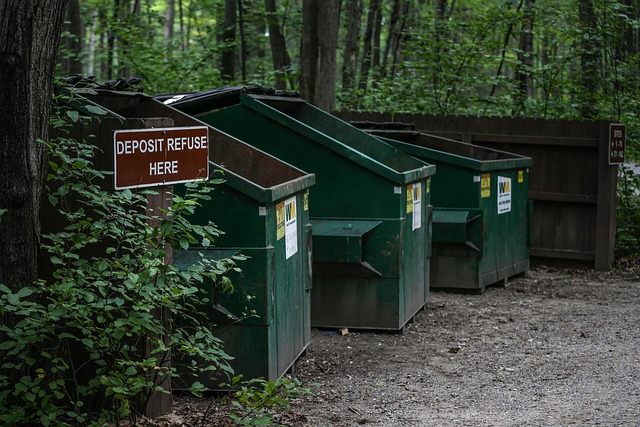
When it comes to eco-friendly electronic waste disposal, choosing the right recycling facilities is paramount. In Boston, where technology innovation thrives, there's a growing need for responsible e-waste management. To ensure your old electronics find their way into sustainable hands, it's crucial to look for facilities that prioritize environmental protection and data security.
Boston boasts several top-rated electronics recyclers known for their commitment to eco-friendly practices. Companies like Greentec and E-Waste Recycle America are leading the charge, employing state-of-the-art technology to process a wide range of electronic items, from computers and smartphones to stereos and accessories. For instance, Greentec's facility in Boston has been certified by the Electronic Takeback Alliance (ETA), ensuring adherence to strict environmental standards. These facilities not only accept larger items but also organize local recycling events for tech accessories, making it easy for residents to participate in the e-waste reduction effort.
Additionally, many community centers and non-profits host nearby electronics recycling events Boston locals can take advantage of. These events provide an opportunity to responsibly dispose of obsolete electronics while supporting worthy causes. For old stereos and computers, local recycling centers play a vital role. They accept these items year-round, contributing significantly to the city's overall e-waste reduction goals. Organizations like the Greater Boston Food Bank sometimes partner with recyclers to organize events, making it convenient for residents to do their part for the environment while giving back to the community.
In conclusion, when recycling electronics in Boston, prioritize facilities that are not just eco-friendly but also transparent about their processes. Keep an eye out for local recycling events and partner with businesses committed to sustainable practices. By doing so, you'll ensure your electronic waste doesn't end up in landfills but instead contributes to a greener future for the city.
Responsible Disposal: Tips for Individuals and Businesses

Responsible disposal of electronic waste is a crucial step towards a greener future for Boston and Massachusetts as a whole. With increasing amounts of electronic equipment ending up in landfills, proper recycling methods are essential to mitigate environmental harm. This includes the safe disposal of broken tablets and other electronics, which can leach toxic substances into the soil and water. Fortunately, numerous resources are available for both individuals and businesses seeking eco-friendly solutions.
Boston residents have access to several free electronics recycling programs, such as those offered by local waste management companies and community organizations. One notable example is the program run by Boston Public Works, which provides drop-off locations throughout the city where residents can responsibly dispose of their old electronics, including computers, phones, and tablets. Similarly, businesses should look into partnerships with specialized recycling centers that cater specifically to electronic waste. Many recycling centers in Massachusetts are open on weekends, making it convenient for those with busy schedules to participate in these initiatives.
For those looking to drop off broken tablets or other electronics, several facilities across the state offer secure and safe disposal options. One such example is the Electronic Waste Management Facility in Worcester, which accepts a wide range of electronic equipment, ensuring that all materials are recycled or disposed of properly according to Massachusetts environmental regulations. It's essential to research and choose reputable recycling centers to guarantee that your electronics are handled responsibly, with data security being a primary concern, especially for businesses dealing with sensitive information.
By actively participating in local free electronics recycling programs and utilizing nearby drop-off points like those available in Boston and across MA, individuals and organizations can contribute significantly to the safe disposal of electronic equipment. This collective effort not only minimizes environmental impact but also fosters a circular economy where valuable resources are recovered from discarded electronics, promoting sustainability for generations to come.
Future of Electronics Recycling: Innovations and Trends

The future of electronics recycling is looking bright, with innovative technologies and sustainable practices gaining traction across the industry. In Boston, where the issue of electronic waste (e-waste) disposal is particularly pressing, several cutting-edge solutions are making a significant impact. One notable trend is the rise of locally focused recycling programs that cater to specific electronic items like outdated gaming consoles. These initiatives ensure that devices are recycled responsibly and ethically, aligning with the growing demand for sustainable disposal methods.
Where to recycle electronics in Boston has become a more informed choice, thanks to dedicated centers and partnerships between tech companies and recycling experts. For instance, many local businesses collaborate with certified e-waste recyclers to collect and process old phones and other devices, preventing them from ending up in landfills. This collaborative approach not only promotes proper disposal but also enables the recovery of valuable materials for reuse, such as metals, plastics, and rare earth elements. According to a recent study, over 90% of electronic devices recycled through these programs can be repurposed or refactored, reducing the need for virgin resources.
The process of recycling electronics involves several key steps: collection, disassembly, separation, refining, and repurposing. After devices are dropped off at designated locations or collected by recycling partners, they undergo careful disassembly to extract components suitable for reuse or recycling. This meticulous process ensures that hazardous materials are handled safely and in compliance with environmental regulations. By adopting these innovative practices, Boston is leading the way in responsible e-waste management, setting an example for other cities across the nation. Individuals can contribute by staying informed about local recycling options and actively participating in the disposal of their old electronics, ensuring a cleaner, more sustainable future.
In addressing the pressing issue of electronic waste disposal, this article has equipped readers with a comprehensive understanding of the challenges and opportunities. Key insights highlight the environmental impact of improper disposal, underscoring the urgency for responsible practices. Boston residents and businesses now have access to a detailed guide on local recycling options, ensuring they can make informed choices.
The article emphasizes the importance of selecting eco-friendly facilities, providing practical tips for individuals and organizations alike. Furthermore, it explores emerging innovations in electronics recycling, offering a glimpse into the future where sustainable practices are not just encouraged but normalized. By combining awareness with actionable steps, readers are empowered to contribute to a greener Boston and beyond, ensuring electronic waste is managed responsibly where to recycle electronics Boston.