








Boston grapples with e-waste management, addressing environmental concerns through drop-off locations for recycled electronics and guidance from the Department of Public Health. Initiatives like Boston Recycling Center and community drives divert electronic waste from landfills, extracting valuable materials and ensuring safe disposal of hazardous components. Residents are encouraged to drop off old devices at designated sites, participating in a sustainable cycle that minimizes environmental impact. Accessible recycling programs and specialized facilities like Green Cycle make it easy for Boston residents to responsibly dispose of electronics, leading the way in eco-friendly practices.
The proper disposal of old electronics is a growing concern as technology advances rapidly. In Boston, the need to recycle electronics efficiently is more crucial than ever, given the city’s commitment to environmental sustainability. The issue lies in the complex mix of materials and potential hazards within electronic devices, which require specialized handling. This article offers a comprehensive guide to navigate this challenge, exploring where to recycle electronics Boston residents can trust. By providing practical solutions, we aim to empower individuals to contribute to a greener future while ensuring proper e-waste management.
- Understanding Electronic Waste in Boston
- Local Recycling Centers: Where to Begin
- Proper Disposal: Step-by-Step Guide
- Benefits: Why Recycle Old Electronics
- Sustainable Future: Boston's Recycling Initiatives
Understanding Electronic Waste in Boston

Boston, a city known for its rich history and innovation, faces a modern challenge—the management of electronic waste, or e-waste. As technology advances rapidly, so does the volume of old electronics that require proper disposal. Understanding where to recycle electronics in Boston is crucial not only for residents but also for the city’s broader environmental health. E-waste contains valuable materials that can be repurposed but also poses significant risks if not handled correctly.
The environmental impact of e-waste in Boston, like many urban centers, is substantial. Old tablets, computers, and other electronic devices often end up in landfills, where their toxic components leach into the soil and water tables. According to recent studies, as much as 70% of electronic waste in the US is not recycled properly, underscoring the urgent need for effective recycling programs. Boston has taken steps to address this issue by providing various drop-off locations for broken tablets and other electronics. The city’s Department of Public Health (DPH) offers guidance on where to safely dispose of electronic equipment in Massachusetts, ensuring that e-waste is handled according to state regulations.
Knowing where these devices go after drop-off is equally important. Many recycled electronics are disassembled and processed to extract valuable materials like gold, silver, copper, and aluminum. These metals can then be used in new products, reducing the demand for primary mining resources. Reputable recycling centers ensure that hazardous components, such as batteries and capacitors, are safely disposed of or treated. By participating in these programs, Boston residents contribute to a sustainable cycle where old electronics become raw materials for new technologies, minimizing environmental impact.
To ensure proper e-waste management, consider dropping off your broken tablets and devices at designated locations within the city. These initiatives not only help protect local ecosystems but also enable the responsible recovery of valuable resources from electronic equipment that would otherwise end up in landfills.
Local Recycling Centers: Where to Begin

Recycle old electronics Boston begins with understanding the city’s dedicated recycling centers. These facilities are designed to handle a wide range of e-waste, from outdated computers and mobile devices to old stereos and home entertainment systems. One of the primary resources for residents is the Boston Recycling Center, located in the heart of the city. This center not only accepts various electronics but also provides drop-off points for specific items like batteries, light bulbs, and even small appliances.
For those looking to dispose of larger items such as old TVs or stereo systems, local initiatives like e-waste collection drives are excellent options. These events, often organized by community groups and city departments, offer convenient opportunities to recycle e-waste responsibly. Data from recent studies shows that proper e-waste recycling can significantly reduce environmental impact, with programs in Boston successfully diverting tons of materials from landfills each year.
Neighborhoods throughout Boston also host regular collection events, making it easy for residents to participate in the best ways to dispose of electronics locally. Whether through dedicated centers or community drives, these efforts ensure that electronic waste is handled safely and effectively. Residents are encouraged to check local news and community boards for upcoming collection dates, ensuring they can play a active role in protecting their environment while responsibly recycling their old electronics.
Proper Disposal: Step-by-Step Guide

Recyling old electronics in Boston is a responsible step towards a greener future. The proper disposal of electronic waste, or e-waste, is crucial to mitigating environmental harm caused by toxic materials often found in these devices. This guide offers a comprehensive, step-by-step approach to ensure your old electronics find their place in a sustainable cycle.
Start by identifying the category of electronics you wish to recycle. This could range from outdated computers and smartphones to small appliances like toasters or vacuum cleaners. Different materials require unique recycling methods. For instance, metals like copper and aluminum found in computer components can be reused, while plastics need specialized facilities for safe breakdown. Boston is home to numerous organizations dedicated to responsible e-waste management, ensuring these materials are processed efficiently.
The next step involves locating the best recycling centers in your area. Where to recycle electronics in Boston? Several reputable facilities accept old tech for upcycling or responsible disposal. For instance, the Boston Electronic Recycling Center (BERC) is a well-established local non-profit that facilitates the safe removal of hazardous substances from electronics. They offer drop-off locations and even provide mobile pick-up services for convenience. Additionally, many tech startups in the city promote responsible recycling by partnering with certified e-waste management companies.
Consider upcycling as an eco-friendly alternative to traditional disposal. Old electronics can be transformed into unique items such as decorative lamps from computer monitors or smartphone cases crafted from recycled parts. Local artist collectives often collaborate with recycling centers to bring these creative projects to life, fostering a community that values sustainability and innovation. By following these steps and utilizing available resources, Boston residents can actively contribute to the responsible disposal of electronics while exploring innovative upcycling ideas.
Benefits: Why Recycle Old Electronics

Recycling old electronics is an essential practice for responsible disposal and has significant environmental benefits, especially in densely populated cities like Boston. With a growing number of electronic devices becoming obsolete or broken, proper recycling becomes crucial to mitigating e-waste pollution—a pressing global issue. Not only does it reduce the strain on landfills but also recovers valuable materials that can be reused, thus fostering a more sustainable digital future.
One of the key advantages is the prevention of hazardous substances leaching into the environment. Electronics often contain toxic components like lead, mercury, and cadmium, which, if not handled correctly, can contaminate soil and groundwater. Boston residents and businesses have access to numerous nearby electronics recycling events and facilities, ensuring convenient disposal options. For instance, local initiatives like the annual ‘Boston E-Waste Recycling Drive’ offer free drop-off points for a wide range of electronic items, from computers and phones to small appliances like mini-fridges. Such programs play a vital role in keeping these hazardous materials out of landfills and promoting sustainable practices.
Moreover, recycling electronics can stimulate economic growth by creating new job opportunities and fostering innovation. The process involves complex procedures such as data deletion, component disassembly, material sorting, and refiner processes. These activities not only contribute to local employment but also support the development of green technologies. By choosing responsible recycling methods, Boston residents can ensure their old devices find new life, reducing the demand for virgin resources and minimizing environmental impact.
Sustainable Future: Boston's Recycling Initiatives
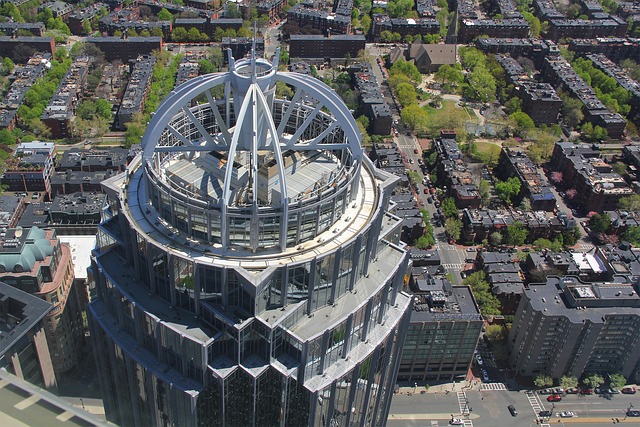
Boston, a city known for its forward-thinking initiatives, is also making significant strides towards a more sustainable future when it comes to disposing of electronic waste. With an ever-growing array of technological advancements, proper e-waste management has become increasingly critical. The city’s recycling programs and facilities play a pivotal role in mitigating environmental impact and ensuring hazardous materials are handled with care.
One notable aspect is Boston’s commitment to providing accessible options for residents to recycle old electronics responsibly. Many neighborhood drop-off centers now accept various electronic items, from outdated computers and phones to small appliances, offering a convenient way for citizens to contribute to the cause. For instance, the city’s partnership with local non-profits has led to the establishment of several e-recycling events throughout the year, gathering thousands of pounds of electronics from residents eager to dispose of their old devices safely and sustainably. These initiatives not only promote a circular economy but also educate the public on responsible recycling practices.
Furthermore, Boston’s largest e-recycling facilities, such as Green Cycle and Recycle My Electronics, are equipped to handle a wide range of electronic items, including medical devices and power tools. These state-of-the-art facilities employ specialized processes to disassemble and recycle complex electronics while ensuring the safe disposal of hazardous materials. For example, old power tools can be recycled, preventing the release of toxic substances from improper disposal methods. Similarly, medical devices, which often contain sensitive materials, are given proper attention, demonstrating Boston’s commitment to a comprehensive recycling strategy that accounts for various types of e-waste.
By embracing these sustainable practices, Boston is not only setting an example but also encouraging other urban centers to adopt similar programs. The city’s dedication to eco-friendly solutions inspires a future where electronic waste is minimized, and resources are preserved, ensuring a healthier planet for generations to come.
In conclusion, this article offers a comprehensive guide to navigating the responsible recycling of old electronics in Boston. By exploring key aspects such as understanding electronic waste, identifying local centers, and following proper disposal methods, residents can contribute significantly to Boston’s sustainable future. The benefits of recycling include reducing environmental impact, conserving resources, and fostering a healthier ecosystem. Knowing where to recycle electronics Boston is an essential step towards a greener city, empowering individuals to take charge of their electronic waste management. This authoritative resource provides valuable insights, ensuring readers are equipped with the knowledge to make informed decisions for a more sustainable Boston.