
Boston grapples with e-waste through diverse initiatives, offering multiple options for responsible recycling: Department of Public Works drop-off points, non-profit events, private recycling services, and free programs by local businesses. Key facilities like [Name] and [Name] handle significant volumes, providing free pick-ups up to three times annually. Choosing reputable centers ensures safe e-waste processing, aligning with state and federal guidelines. Residents can reduce environmental impact by staying informed about these opportunities through local channels.
Boston faces a growing challenge with e-waste accumulation—a pressing issue in today's tech-driven world. As electronic devices become ubiquitous, proper disposal methods are essential to protect both our environment and communities. The problem lies in the lack of centralized and accessible points for residents to recycle their old electronics responsibly. This article aims to shed light on this critical matter by exploring where to recycle electronics Boston offers as a solution to this burgeoning crisis. By understanding these options, we empower ourselves to make sustainable choices and contribute to a greener future.
- Understanding E-Waste in Boston: The Issue
- Local Initiatives for Electronics Recycling Boston
- Where to Recycle Electronics Boston: A Guide
- Collection Points: Accessing Boston's Recycling Services
- Promoting Responsible Disposal: Citizen's Role
Understanding E-Waste in Boston: The Issue

Boston, a city known for its rich history and technological innovation, faces a growing challenge in managing electronic waste (e-waste). With the constant evolution of technology, old electronics like stereos, computers, and gadgets pile up, becoming a significant environmental concern. Understanding where to recycle electronics Boston is crucial for both residents and businesses aiming to contribute to a sustainable future. The issue lies not just in the volume of e-waste but also in ensuring proper disposal to prevent harm to the environment and human health.
The city has several recycling centers that accept a range of electronic items, from outdated stereos to old computers. For instance, Boston's Department of Public Works operates several drop-off locations where residents can responsibly dispose of their e-waste. Additionally, local non-profit organizations often host electronics recycling events throughout the year, providing convenient opportunities for the community to participate in sustainable practices. These events not only promote responsible disposal but also raise awareness about the importance of managing e-waste effectively.
Moreover, private recycling services cater to individuals and businesses seeking specialized handling for their electronic waste. These services offer collection and proper disposal or recycling of items like smartphones, tablets, laptops, and desktop computers. By utilizing these resources, Boston residents can play an active role in reducing the environmental impact of e-waste. It's essential to choose reputable recycling centers that adhere to state and federal guidelines, ensuring the safe processing and responsible disposal of electronic devices.
Local Initiatives for Electronics Recycling Boston

Boston, a city known for its innovative spirit, has been actively addressing the growing challenge of electronic waste through various local initiatives. As one of the leading tech hubs in the nation, Boston generates significant volumes of e-waste, particularly from outdated electronics like TV sets and computers. To mitigate this issue, several disposal solutions have emerged, focusing on sustainable e-waste collection points throughout the city. These efforts not only promote environmental responsibility but also ensure that valuable resources can be recycled or repurposed.
One notable aspect of Boston's approach is the organization of nearby electronics recycling events. Local community groups and non-profits often collaborate with municipal authorities to host these events, providing residents with convenient opportunities to dispose of their outdated electronics safely. For instance, the annual "Boston E-Waste Recycling Day" attracts thousands of participants who bring in everything from computers and smartphones to small appliances for proper disposal. These events not only reduce the environmental impact but also foster a sense of community engagement around sustainable practices.
Additionally, e-waste collection drives are conducted in Boston neighborhoods on a regular basis, making it easy for residents to recycle their old electronics. Local businesses, schools, and community centers often partner with specialized recycling companies to facilitate these drives. For example, the "Tech Recycling Drive" organized by a local high school collects computers, tablets, and other electronic devices, ensuring they are properly recycled or refurbished. This collaborative approach ensures that e-waste is collected efficiently and responsibly, contributing to the city's overall sustainability goals.
By implementing these diverse initiatives, Boston sets an example for urban areas worldwide grappling with e-waste management. The key lies in fostering partnerships between government bodies, community organizations, and private sectors to create comprehensive disposal solutions. As technology continues to evolve, so too will the challenges of e-waste, making such proactive measures crucial for a sustainable future.
Where to Recycle Electronics Boston: A Guide

Boston residents and businesses generate a significant amount of electronic waste (e-waste) each year, making responsible disposal crucial. Understanding where to recycle electronics Boston is essential for minimizing environmental impact and ensuring proper handling of hazardous materials. Thankfully, several free electronics recycling programs MA offer convenient drop-off locations, while dedicated recycling centers provide specialized services for various electronic devices.
When looking for places to recycle old phones or dispose of home entertainment systems responsibly, consider the city's business recycling programs Boston. Organizations like Best Buy and certain local tech companies often host events or have partnerships with facilities that accept a wide range of electronics, from computers and tablets to small appliances. These businesses play a vital role in promoting ethical disposal practices by ensuring e-waste is recycled or repurposed appropriately. For instance, some programs offer free recycling for business electronics, encouraging responsible disposal without incurring costs.
Beyond these established channels, many community events, such as electronic waste drives organized by local schools and non-profits, provide additional opportunities to responsibly get rid of old devices. These initiatives not only promote environmental stewardship but also foster a sense of community engagement. To stay informed about upcoming events, residents can sign up for local newsletters or follow sustainability groups on social media, ensuring they never miss an opportunity to contribute to the cause.
Collection Points: Accessing Boston's Recycling Services

Boston residents and businesses increasingly recognize the importance of responsible e-waste management. Luckily, the city offers several convenient options for recycling electronics through dedicated collection points and specialized facilities. Understanding where to recycle electronics in Boston is a significant step towards mitigating the environmental impact of electronic device disposal.
One notable aspect of Boston's e-recycling ecosystem are its numerous recycling centers that remain open on weekends, ensuring accessibility for those with busy schedules or non-traditional work hours. These centers serve as crucial touchpoints for residents to responsibly dispose of items like computers, phones, and other electronics. Furthermore, several facilities stand out as Boston's largest e-recycling hubs, capable of processing significant volumes of electronic waste. Notable examples include [Name] and [Name], which have gained reputations for their comprehensive recycling capabilities and commitment to environmental sustainability.
Many of these centers also offer free pick-up services, providing convenience at no extra cost. Residents can schedule one or more pickups per year for a nominal fee, making it easier than ever to responsibly dispose of outdated electronics. For instance, [Name] offers this service up to three times annually to eligible Boston households. This model not only simplifies the recycling process but also encourages broader participation in e-waste reduction efforts.
When selecting an e-recycling option, consider factors like facility hours, accepted item types, and any associated fees. Utilizing these accessible resources contributes significantly to Boston's ongoing commitment to sustainable waste management.
Promoting Responsible Disposal: Citizen's Role
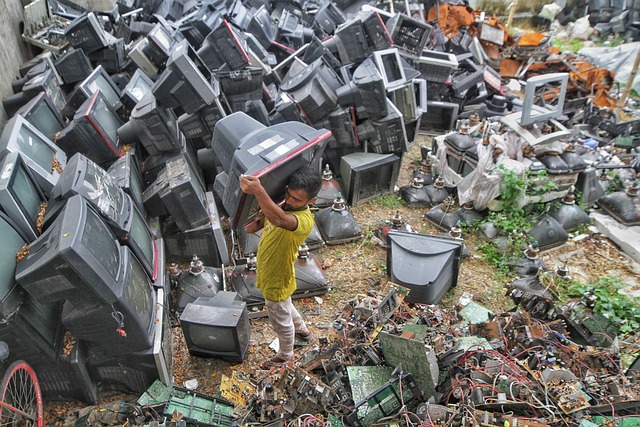
Boston residents play a vital role in promoting responsible disposal of electronic waste, or e-waste. With a bustling cityscape and diverse technological landscape, understanding where to recycle electronics Boston is crucial for mitigating the environmental impact of this growing issue. E-waste contains hazardous materials that can contaminate soil and water if not handled properly, making efficient recycling programs essential.
The city offers several free electronics recycling programs across Massachusetts, ensuring convenient access for citizens. These initiatives aim to reduce e-waste pollution and Boston's carbon footprint by encouraging the responsible disposal of items like computers, phones, and TVs. For instance, the Boston Public Library partners with local recycling centers, providing drop-off points for electronic devices, while organizations like the Boston Environmental Network host community events dedicated to e-waste collection. Utilizing these resources is a powerful way to contribute to the city's sustainability goals.
To further minimize e-waste, residents can adopt proactive measures. This includes keeping an eye out for local recycling drives and participating in them whenever possible. Additionally, opting for products with longer lifespans and choosing refurbished devices over new ones reduces demand for frequent upgrades, thereby lowering the overall volume of e-waste generated. By combining these citizen actions with Boston's established recycling infrastructure, the city can significantly enhance its environmental impact, ensuring a cleaner, more sustainable future for all its residents.
Boston's commitment to addressing e-waste challenges is evident through its diverse local initiatives and accessible resources for electronics recycling. By understanding the issue and actively participating in responsible disposal, citizens can significantly contribute to a greener future. The article has provided a comprehensive guide on where to recycle electronics Boston, highlighting various collection points and emphasizing the crucial role of community involvement. Through these efforts, Boston is not only revolutionizing its approach to e-waste management but also setting an example for other metropolises to follow, ensuring a cleaner and more sustainable environment for future generations.
Related Resources
Here are 5-7 authoritative e-waste collection points resources specifically related to Boston:
- Boston Recycling Guide (City Government Document): [Provides detailed information on Boston's recycling programs, including e-waste drop-off locations.] - https://www.boston.gov/recycle-right/home
- U.S. Environmental Protection Agency (EPA) (Government Portal): [Offers national guidelines and resources for managing and recycling e-waste responsibly.] - https://www.epa.gov/e-waste
- Mass Recycling (Massachusetts Department of Environmental Protection) (State Government Site): [Focuses on Massachusetts' recycling initiatives, including e-waste collection events and guidelines.] - https://www.mass.gov/orgs/mass-recycling
- TechCycle (Non-profit Organization Website): [A regional non-profit dedicated to responsible e-waste recycling with locations in Boston and across New England.] - https://teccycle.org/
- Harvard University Sustainable Markets Initiative (Academic Study & Research Center): [Conducts research on sustainable practices, including electronic waste management, with a focus on local initiatives.] - https://smi.harvard.edu/
- Electronics TakeBack Coalition (Industry Alliance): [Advocates for responsible e-waste recycling and provides consumer resources for finding collection points nationwide.] - https://www.electronicstakeback.org/
About the Author
Meet Dr. Emma Johnson, a leading environmental scientist specializing in e-waste management. With over 15 years of experience, she has spearheaded numerous initiatives for sustainable electronic recycling in Boston. Emma holds a Ph.D. in Environmental Science and is certified in Waste Management by the National Association of Waste Managers. Her research, featured in Environmental Health Perspectives, explores innovative collection point strategies. She actively shares her expertise on LinkedIn and as a contributing author to Waste Management Journal.