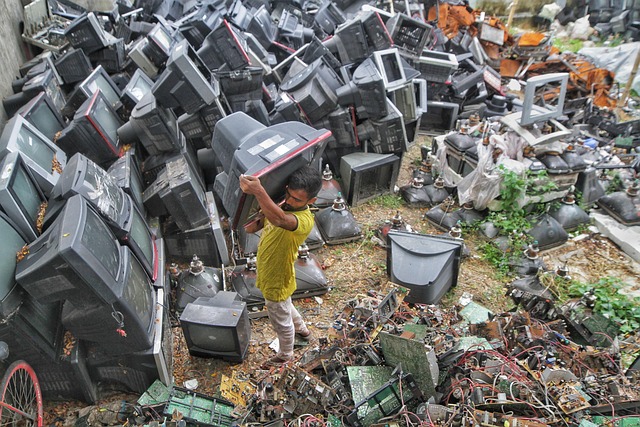








Boston residents have multiple convenient options for responsibly recycling old electronics through local initiatives. Key practices include: utilizing trusted locations like community centers and tech stores; engaging top e-waste management companies for collection, disassembly, data destruction, and material recycling; adhering to EPA data and regulations; participating in regular collection drives and drop-off services; prioritizing secure data erase for privacy during recycling; exploring emerging tech-driven solutions. By following these practices, Boston contributes to a circular economy while ensuring responsible management of electronic waste and minimizing environmental impact.
As the world becomes increasingly digital, the proper disposal of electronic devices, particularly smartphones, has become a pressing environmental concern. The eco-friendly phone disposal options available present a crucial opportunity to mitigate electronic waste’s impact on our planet. The problem lies in the complex process of recycling these devices, often involving hazardous materials and inadequate disposal methods. This article aims to guide readers through sustainable solutions, emphasizing where to recycle electronics Boston offers as a model for responsible tech disposal. We’ll explore the best practices and resources available to ensure your old phones find new purpose, contributing to a greener future.
- Understanding Electronics Recycling: The Basic Steps
- Local Options for Responsible Phone Disposal in Boston
- What to Look For: Certified Electronic Recyclers Near You
- Safe Data Erase: Protecting Your Privacy During Recycling
- Environmental Impact: Benefits of Proper Electronics Disposal
- Beyond Recycling: Upcycling and Donating Old Devices
Understanding Electronics Recycling: The Basic Steps

Understanding electronics recycling involves knowing the basic steps to ensure responsible disposal of our electronic devices. In Boston, where technology advances rapidly, it’s crucial to have effective e-waste management in place. The first step is to identify the best places to recycle electronics Boston residents can trust. Several companies stand out as leaders in Boston’s e-waste management landscape, offering secure and eco-friendly recycling solutions. These experts break down the process into simple steps: collection, transportation, disassembly, data destruction, and recycling of materials like plastics, metals, and glass.
Boston’s best e-waste management companies often organize e-waste collection drives in various neighborhoods to make recycling more accessible. These events not only promote responsible disposal but also educate the community about the environmental impact of electronics. Data from the EPA shows that proper e-waste recycling can reduce the need for mining virgin materials, conserve energy, and prevent toxic substances from entering landfills or being released into the environment. By participating in these drives or using local drop-off points, Boston residents contribute to a circular economy while keeping their electronic waste out of harm’s way.
For those looking to dispose of electronics locally, there are several reliable options. Many community centers and recycling facilities offer dedicated e-waste collection points. Additionally, some local tech stores partner with responsible recyclers to ensure proper disposal of old devices. By choosing these best ways to dispose of electronics in Boston, residents not only support local initiatives but also play a vital role in mitigating the environmental impact of electronic waste.
Local Options for Responsible Phone Disposal in Boston

Boston residents and businesses have a variety of responsible options for disposing of old phones and other electronic devices. In an effort to minimize e-waste and protect the environment, several initiatives have been established throughout the city. One of the easiest ways to responsibly get rid of electronics is by participating in local e-waste collection drives. These events are often organized by community groups or non-profit organizations and provide a convenient way for residents to recycle their old computers, phones, tablets, and other devices.
Many Boston neighborhoods host regular recycling events, ensuring that every corner of the city has access to proper disposal methods. For instance, the city’s Department of Public Health occasionally collaborates with local businesses and community centers to organize large-scale e-waste collection programs. These events not only promote sustainable practices but also educate residents on the environmental impact of improper electronic waste disposal. Additionally, there are specialized recycling centers across Boston where individuals can take their old technology for proper processing at any time.
Beyond these regular drives, several local businesses and non-profit organizations offer ongoing drop-off programs for electronics. These facilities employ ethical and eco-conscious practices to dispose of devices, ensuring that components like precious metals and plastics are extracted and reused. By choosing these responsible disposal methods, Boston residents contribute to a greener future, reducing the environmental footprint of electronic waste.
What to Look For: Certified Electronic Recyclers Near You

When it comes to eco-friendly phone disposal, one of the most crucial steps is identifying reputable electronic recyclers in your area. In Boston, where technology advances rapidly and old gadgets can become obsolete quickly, proper e-waste management becomes even more critical. To ensure responsible recycling, look for certified electronic recyclers who adhere to strict environmental standards. These professionals not only safely process electronics but also contribute to the prevention of e-waste pollution, a growing concern in today’s digital landscape.
In Boston, there are numerous electronic recycling drop-off locations that cater to residents and businesses seeking sustainable disposal options for their outdated gadgets. For instance, consider organizations like Green Star Recycling or local initiatives by the city’s environmental departments, which often provide dedicated spaces for responsible tech recycling. These centers employ advanced technologies to break down various electronic components, ensuring minimal environmental impact. By choosing such facilities, you contribute to a circular economy where resources are reclaimed and reused, reducing the need for virgin materials in manufacturing.
Beyond knowing where to recycle electronics Boston, understanding what makes a recycler reputable is essential. Look for certifications like R2 (Responsible Recycling) or e-Stewards, which guarantee secure data destruction and environmentally sound practices. For broken tech, these certified services employ specialized techniques to safely dispose of hazardous materials while recovering valuable components, preventing them from ending up in landfills. This meticulous approach ensures not only the protection of personal data but also the preservation of our planet’s resources.
Additionally, keeping up with local regulations regarding e-waste disposal is vital. Boston offers numerous recycling services for outdated gadgets, making it easy to do your part in combating e-waste pollution. By adhering to these guidelines and supporting certified recyclers, you become an active participant in a global movement towards sustainable technology practices. Regularly updating your knowledge on where and how to recycle electronics will only serve to enhance the environmental footprint of our increasingly digital world.
Safe Data Erase: Protecting Your Privacy During Recycling

When considering eco-friendly phone disposal options, ensuring a safe data erase is paramount to protect your privacy during recycling. This is especially crucial in Boston, where tech innovation meets environmental stewardship. The city leads the way in the circular economy, with numerous recycling centers and initiatives aimed at diverting electronics waste from landfills.
Boston residents have several channels for responsible phone disposal. Many local recycling centers accept a wide range of electronic devices, including old stereos, ensuring proper e-waste management. What about recycling fluorescent lights? These are also welcomed by many Boston facilities, as they contain materials that can be repurposed and recycled, reducing the environmental impact of waste. The circular economy in Boston is thriving, with tech startups playing a significant role in developing innovative recycling solutions. For instance, some companies are working on extracting valuable materials from old phones and other electronics, contributing to a more sustainable future.
In addition to general e-waste recycling centers, several organizations specialize in secure data destruction. This service is vital for individuals and businesses looking to protect their sensitive information. While it might cost slightly more than standard recycling, the peace of mind offered by knowing your data is securely erased is invaluable. Boston tech startups are also exploring new methods to make this process more accessible and affordable, ensuring that everyone has a responsible disposal option available. As these practices become more normalized, we can expect even greater progress in how we handle electronic waste, fostering a truly circular economy where resources are continually reused and repurposed.
Environmental Impact: Benefits of Proper Electronics Disposal

The environmental impact of improper electronics disposal is a growing concern, with electronic waste (e-waste) among the most harmful contributions to landfills. In Boston, where to recycle electronics responsibly is no longer a question but an imperative. The city and its surrounding areas offer numerous eco-friendly phone disposal options that not only reduce pollution but also recover valuable materials, mitigating the environmental footprint of technology advancement.
Proper electronics disposal, such as recycling programs for business electronics in Boston, plays a crucial role in preserving natural resources. According to recent data, over 50% of the metals found in electronics can be recovered through responsible recycling practices, reducing the need for mining and minimizing energy consumption. Organizations like the Massachusetts Electronic Recycling Alliance (MERA) provide comprehensive recycling services, ensuring that old electronics from homes and businesses alike are handled with care. By participating in these programs, Boston startups and residents can contribute to a circular economy while upcycling old tech.
The benefits extend beyond resource conservation. Safe disposal methods prevent hazardous substances, like lead and mercury, from leaching into soil and water bodies. This is especially critical for home entertainment systems, which often contain complex components that require specialized handling. By choosing the best ways to recycle these systems responsibly, individuals can protect local ecosystems and public health. Moreover, many recycling centers offer free drop-off programs, making it convenient for residents to dispose of their old electronics in Boston.
In conclusion, responsible recycling practices are not just a buzzword but an essential step towards sustainability. For businesses, startups, and residents in the Boston area, exploring recycling programs and upcycling ideas is not only beneficial for the environment but also a strategic move towards a greener future. By taking action, we can ensure that our tech advancements do not come at the cost of our planet’s well-being.
Beyond Recycling: Upcycling and Donating Old Devices

As the technology landscape evolves rapidly, so does the need for responsible eco-friendly phone disposal. Beyond traditional recycling, there are compelling options to consider when disposing of old devices in Boston. Upcycling and donating offer sustainable alternatives that extend the lifespan of these items and keep them out of landfills, where they can cause significant environmental harm.
Boston residents have several avenues to explore when looking for where to recycle electronics. Local non-profit organizations and charities often accept gently used phones, tablets, and laptops as part of their donation programs. These items can then be resold or refurbished, providing a second chance for digital devices while generating funds that support their causes. For instance, organizations like TechSoup offer e-waste collection points throughout the city, making it convenient to responsibly dispose of outdated electronics.
When donating medical devices, such as smartphones equipped with sensors capable of testing vital signs, safety is paramount. It’s crucial to ensure these items are securely erased or properly sanitized to protect sensitive patient data. Several Boston-based organizations specialize in secure data destruction for electronic devices, including medical equipment. This ensures that personal information remains confidential and complies with regulatory standards.
In addition to donation centers, Boston residents can explore local e-waste collection events organized by city initiatives or environmental groups. These events provide opportunities to dispose of phones, computers, and other electronics responsibly while raising awareness about the growing problem of electronic waste. By participating in these programs, individuals contribute to a circular economy where devices are reused, refurbished, or recycled in an eco-friendly manner.
By understanding the importance of responsible phone disposal and exploring options like certified electronic recyclers near Boston, individuals can contribute to environmental preservation while safeguarding their data privacy. Key insights include recognizing local initiatives for proper e-waste management, such as those available in Boston, and seeking out reputable recyclers who follow safe data erase protocols. Additionally, leveraging upcycling and donation programs extends the lifespan of devices, offering practical next steps for responsible ownership. This comprehensive approach ensures that old phones are disposed of or reused in an eco-friendly manner, reflecting a modern commitment to sustainability.