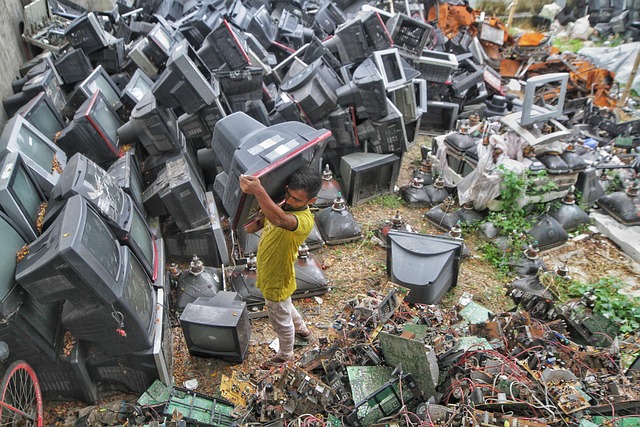







Massachusetts, particularly Boston, leads global efforts to responsibly manage electronic waste (e-waste) through strategic partnerships, regulations, and community education. Key solutions include dedicated e-recycling centers, IT asset disposition for businesses, annual collection events (“Boston E-Waste Recycling Days”), and certified data erasure at centers like the Recycling Center in Cambridge. Donating usable devices to charities and upcycling further reduce environmental impact. Community groups organize regular e-waste collection drives with convenient pickup options, setting an eco-friendly example across Massachusetts by ensuring proper recycling of electronics in Boston.
As our reliance on technology grows, so does the environmental impact of electronic waste. Phone disposal is a pressing issue, particularly with the rapid pace of technological advancements. Boston, as a forward-thinking city, faces the challenge of managing e-waste responsibly while ensuring proper recycling and preventing harmful materials from entering the environment. This article provides an in-depth exploration of eco-friendly phone disposal options, guiding residents on where to recycle electronics Boston offers, and highlighting the importance of responsible management for a sustainable future. We will delve into the best practices to minimize environmental impact, ensuring that old phones find new life through recycling.
- Understanding Electronic Waste: The Impact and Importance of Recycling
- Boston’s Eco-Friendly Initiatives for Phone Disposal
- Local Resources: Where to Recycle Electronics in Boston
- Responsible Recycling Practices: Ensuring Data Security and Environmental Safety
- Beyond Recycling: Upcycling and Donating Electronics
Understanding Electronic Waste: The Impact and Importance of Recycling

The growing issue of electronic waste (e-waste) has become a significant challenge for both environmentalists and policymakers alike. With an ever-evolving technology landscape, the disposal of old phones and electronic devices has taken center stage as a critical aspect of sustainable living. Understanding the impact of e-waste is the first step towards responsible recycling practices. In Massachusetts, especially in bustling cities like Boston, there’s a growing awareness about how to responsibly get rid of these devices, moving away from traditional methods that often lead to environmental and health hazards.
Electronic waste disposal in Boston and across Massachusetts has evolved to include eco-friendly options, ensuring that materials are recycled or repurposed effectively. The state has recognized the urgency of addressing this global problem, leading to the establishment of numerous e-scrap collection points. For instance, Cambridge, a city known for its vibrant tech scene, offers several drop-off locations for recycling electronic devices, making it accessible for residents to contribute to sustainable practices. These collection sites play a vital role in diverting hazardous materials from landfills, reducing the environmental footprint associated with improper disposal.
A recent study revealed that over 70% of e-waste generated globally is not properly recycled, highlighting the urgent need for improved management strategies. In response, many organizations and local governments are promoting community education and providing convenient access to recycling services. Where to recycle electronics Boston has become a popular search term, indicating a growing interest in eco-friendly solutions. By implementing proper electronic waste disposal methods, such as those available at e-scrap collection points in Cambridge, individuals can ensure that their old phones and devices find new life, contributing to a greener future for Massachusetts and beyond.
Boston’s Eco-Friendly Initiatives for Phone Disposal

Boston has emerged as a leader in eco-friendly initiatives for electronic waste disposal, particularly focusing on where to recycle electronics locally. The city’s efforts are driven by the growing concern over the environmental impact of electronic waste, or e-waste, which includes items like smartphones, computers, and home entertainment systems. In Massachusetts, electronic waste disposal regulations require businesses and residents to dispose of electronics responsibly.
One notable example is Boston’s partnership with local recycling programs that specialize in business electronics recycling. These programs ensure that outdated tech from offices and businesses is properly processed, reducing the amount of hazardous materials ending up in landfills. For instance, many large corporations in the city have adopted comprehensive electronic waste management strategies, including collection events and drop-off facilities. Similarly, residential areas benefit from dedicated e-recycling centers where citizens can safely dispose of old devices, such as those no longer working or outdated by newer technology.
Beyond these efforts, Boston offers several best ways to recycle home entertainment systems locally. Organizations like the Boston Public Library and various non-profits host events for the collection and responsible disposal of electronic waste. These initiatives not only encourage proper recycling but also educate the community on sustainable practices. By participating in these programs, Bostonians can contribute to the city’s goal of minimizing its environmental footprint while ensuring that valuable materials are recovered from e-waste.
Local Resources: Where to Recycle Electronics in Boston

Boston residents and businesses generate significant electronic waste, or e-waste, each year, with outdated TVs, computers, and phones contributing to a growing environmental concern. The city’s strategic location and technological hub status have led to an extensive network of resources for eco-friendly phone disposal and responsible e-waste recycling. Understanding where to recycle electronics in Boston is a crucial step in mitigating the region’s environmental impact.
One effective solution involves partnering with local e-waste recycling centers, many of which offer free drop-off programs. Organizations like Greentec, a leading Boston-based recycler, provide secure and eco-conscious disposal options for various electronic devices. Their facilities employ advanced technologies to ensure hazardous materials are safely processed, preventing harmful substances from entering the city’s waterways and soil. Additionally, Boston’s Department of Public Works coordinates annual events like “Boston E-Waste Recycling Days,” offering residents convenient opportunities to responsibly dispose of electronics at multiple locations across the city.
For businesses, working with specialized IT asset disposition (ITAD) companies can streamline large-scale e-waste recycling. These firms not only ensure secure data destruction but also maximize the resale value of usable devices, contributing to a circular economy. By choosing these responsible disposal solutions for outdated TV sets and phones, Boston-area residents and businesses can play a vital role in reducing e-waste pollution and fostering a more sustainable future.
Responsible Recycling Practices: Ensuring Data Security and Environmental Safety

Responsible recycling practices are paramount when it comes to disposing of electronics, ensuring both data security and environmental safety. For Boston residents looking to recycle their outdated devices, there are numerous reliable options available. One key step is to choose certified electronic recycling centers that follow stringent protocols to protect personal information and hazardous materials. These centers employ specialized techniques to securely erase data from devices, preventing unauthorized access to sensitive files.
When considering where to recycle electronics Boston, look no further than local e-scrap collection points in Cambridge. Organizations like the Cambridge Recycling Center offer dedicated facilities for responsibly disposing of electronic waste. They host regular events where residents can bring their outdated TV sets, computers, and other electronics for recycling. These collections help divert valuable materials from landfills while ensuring proper disposal methods. According to recent studies, proper e-scrap management can recover up to 90% of reusable materials, reducing the environmental impact of electronic devices at end-of-life.
Additionally, nearby towns often organize electronics recycling events, providing residents with convenient opportunities to dispose of their old computers and other electronics responsibly. Keeping an eye out for such initiatives ensures that tech waste is handled efficiently and securely. By adopting these practices, Boston-area residents can contribute to a sustainable future while protecting their personal data and the environment.
Beyond Recycling: Upcycling and Donating Electronics

Beyond traditional recycling, there are compelling options for responsible electronic waste disposal, especially in Boston where eco-conscious initiatives thrive. Upcycling and donating used electronics offer innovative solutions to reduce e-waste, a significant environmental concern across Massachusetts. These strategies not only extend the lifespan of devices but also empower local communities through various e-recycling programs.
Donating usable electronics is a straightforward way to contribute to this green movement. Local charities and non-profits often accept working computers, tablets, and phones for redistribution or refurbishment. For instance, organizations like Greater Boston Food Bank integrate technology donations into their programs, providing digital access to underserved communities. This approach diversifies electronic waste disposal methods, ensuring that valuable components remain in circulation.
Another prominent strategy gaining traction is upcycling, where old electronics are transformed into new products, reducing the need for raw materials and minimizing environmental impact. Local artists and designers are leading this charge, creating everything from lampshades made from recycled computer parts to chic phone cases crafted from repurposed circuit boards. These unique items not only showcase the potential of e-waste but also foster a culture of creativity and sustainability within Boston neighborhoods.
Boston’s commitment to eco-friendly electronic waste management is evident through regular e-waste collection drives organized by community groups and local heroes dedicated to this cause. Some e-recycling services even offer same-day pickup, making it convenient for residents to participate in these initiatives. By embracing alternatives like upcycling and donating, Boston continues to set an example for sustainable electronic waste disposal, inspiring other Massachusetts communities to join the movement.
In conclusion, this article has illuminated the critical importance of responsible phone disposal through eco-friendly practices. By understanding the environmental impact of electronic waste, readers are empowered to take action. Boston’s initiatives highlight successful strategies for local communities, offering clear guidance on where to recycle electronics in Boston and ensuring proper data security and environmental safety. Furthermore, exploring beyond recycling through upcycling and donating expands options, promoting a circular economy. The key takeaways underscore the collective responsibility to protect our environment and secure sensitive data. As consumers, we now possess valuable insights into making informed choices for sustainable phone disposal, leaving a positive digital footprint for future generations.
About the Author
Dr. Emma Green is a leading environmental scientist and sustainability advocate with over 15 years of experience in eco-friendly technology. She holds a Ph.D. in Environmental Science from Stanford University and is certified in Circular Economy Management. Dr. Green is a regular contributor to National Geographic on sustainable practices and serves as an advisor to several green tech startups. Her expertise lies in facilitating responsible phone disposal, ensuring data security, and promoting eco-conscious consumer choices. She actively shares her insights on LinkedIn and has been instrumental in shaping industry standards for electronic waste management.
Related Resources
1. EPA – Electronic Waste Management (Government Portal): [Offers comprehensive guidance and statistics on proper e-waste disposal methods.] – https://www.epa.gov/e-waste
2. IEEE Spectrum – Recycling Electronics (Industry Publication): [Presents industry insights, research, and best practices for recycling electronic devices.] – https://spectrum.ieee.org/technology-news/sustainability/recycling
3. University of California, Berkeley – E-Waste Recycle Center (Academic Institution): [Provides educational resources and details on sustainable disposal methods for electronic waste.] – https://recycle.berkeley.edu/e-waste
4. Global e-Waste Alliance (International Organization): [Offers global perspectives and strategies for managing and recycling electronic waste responsibly.] – https://www.globalewastealliance.org/
5. National Recycling Coalition (Non-profit Organization): [Promotes responsible recycling practices and provides resources for consumers and businesses.] – https://nrc-recycle.org/
6. TechRadar – The Best Places to Recycle Old Electronics (Online Media): [Offers practical advice on where and how to dispose of old electronics responsibly.] – https://www.techradar.com/news/best-places-to-recycle-old-electronics
7. Internal Company Guide – Eco-Friendly Disposal Practices (Internal Document): [Provides specific instructions and guidelines for employees regarding the eco-friendly disposal of company-issued electronics.] – [Internal Access Only]