







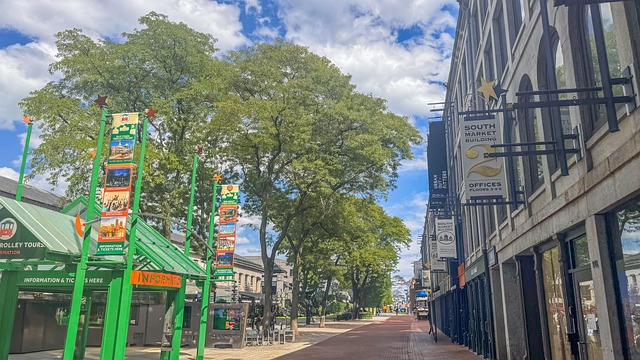
Boston tackles e-waste challenges through innovative solutions like the Boston Recycling Challenge, offering free pick-up services and collection points. This initiative simplifies responsible disposal of hazardous materials, diverting e-waste from landfills and promoting a circular economy. Where to recycle electronics Boston provides various drop-off locations and free pick-up services for common and uncommon items, ensuring proper handling and environmental preservation.
E-waste recycling has emerged as a critical global initiative, given the escalating electronic waste crisis. In Boston, where technology thrives, proper disposal of electronics is more crucial than ever. The problem lies in the mounting e-waste generated by businesses and residents alike, often ending up in landfills due to inadequate recycling infrastructure. This article delves into the solutions, specifically focusing on free pick-up services that make sustainable electronic waste management accessible. By exploring these options, we aim to empower Bostonians to contribute effectively where to recycle electronics Boston, ensuring a greener future.
- Understanding E-Waste: The Boston Recycling Challenge
- What You Can Recycle: Electronics in Boston
- Free Pick-Up Services: Where to Begin in MA
- Safe Disposal Methods: Protecting Boston's Environment
- Local Recycling Centers: A Guide for Boston Residents
- Promoting Responsible Recycling: Your Role in the Process
Understanding E-Waste: The Boston Recycling Challenge

In Boston, understanding e-waste management is crucial for a sustainable future. The city’s recycling challenges have led to innovative solutions, particularly with initiatives like the Boston Recycling Challenge, which focuses on efficient e-scrap collection and processing. This challenge encourages residents to participate in responsible electronic waste disposal by offering free pick-up services—a convenient option where to recycle electronics Boston has been lacking.
One significant aspect of this effort is the establishment of multiple e-scrap collection points in Cambridge, ensuring accessibility for nearby residents. These locations serve as a testament to the city’s commitment to tackling e-waste, which is a growing concern due to the increasing production and quick obsolescence of electronic devices. Moreover, Boston’s largest e-recycling facilities play a pivotal role in processing diverse electronic components, including fluorescent lights. Proper disposal of these items is essential due to their hazardous materials content, ensuring that what about recycling fluorescent lights? is addressed effectively across all collection points and facilities.
The success of such programs lies in their ability to simplify the process for residents and businesses alike. By providing free pick-up services and well-distributed collection points, like those found in Cambridge, the Boston Recycling Challenge fosters a culture of environmental responsibility. This initiative not only aids in the diversion of e-waste from landfills but also facilitates the recovery of valuable materials, which can be reused or recycled into new products. As a result, residents are encouraged to actively participate in this game-changing approach to e-recycling, ensuring that Boston remains at the forefront of sustainable practices in terms of where to recycle electronics.
What You Can Recycle: Electronics in Boston

Boston residents and businesses generate a significant amount of electronic waste (e-waste), but proper disposal is essential to protect public health and the environment. Understanding what you can recycle and where to recycle electronics in Boston is crucial for responsible e-waste management. This comprehensive guide delves into the various types of electronics accepted, including computers, smartphones, and even fluorescent lights, providing practical insights on how to responsibly dispose of broken tech across Massachusetts.
One common question arises when considering e-waste recycling: what about recycling fluorescent lights? Boston residents can find dedicated drop-off locations for these items, ensuring proper disposal of hazardous materials contained within. Many local electronic recycling centers in Boston accept various types of lighting, including compact fluorescent lamps (CFLs) and light-emitting diodes (LEDs), as part of their comprehensive e-waste recycling services. These facilities employ specialized methods to handle such waste responsibly, preventing the release of harmful substances into the environment.
Beyond specific items, it’s important to recognize the vast network of Boston electronic recycling drop-off locations available throughout the city and its surrounding areas in Massachusetts. Organizations like Electronic Recycling Association (ERA) offer free pick-up services, making it convenient for residents to contribute to sustainable e-waste disposal practices. By partnering with reputable recyclers, ERA ensures that electronics are processed according to stringent environmental standards, maximizing resource recovery while minimizing environmental impact. Leveraging these resources is a step towards fostering a circular economy in Massachusetts and beyond.
Free Pick-Up Services: Where to Begin in MA

In Massachusetts, particularly in bustling Boston, the need for effective e-waste recycling has never been more critical. With technology advancing at a rapid pace, disposal solutions for outdated TV sets and other electronics have become paramount to mitigating Boston’s environmental impact. E-waste, which includes items like computers, phones, and TVs, contains hazardous materials that can contaminate soil and water if not properly recycled or disposed of. This is where free pick-up services come into play, offering a convenient and eco-conscious solution for residents seeking responsible disposal options.
Boston and its surrounding areas are home to several reputable e-waste recycling centers that provide free pick-up services. These companies specialize in collecting and processing electronic waste, ensuring that materials are recycled or disposed of according to environmental regulations. To begin the process, individuals can search for “where to recycle electronics Boston” or “e-waste recycling centers near me” to find local options. Several well-regarded organizations, such as Greentec and E-Waste Recycle America, offer free pick-ups and have established themselves as leaders in sustainable e-waste management. Utilizing these services not only simplifies the disposal process but also encourages a culture of responsible consumer behavior.
When selecting a recycling service, it’s advisable to inquire about their handling procedures and certifications to ensure proper disposal. Many centers will provide detailed information on their websites regarding accepted items, collection processes, and environmental credentials. For instance, Greentec boasts a 97% data destruction rate and follows strict EPA guidelines, offering peace of mind for those looking to dispose of sensitive equipment. By embracing free pick-up services, Boston residents can actively contribute to the city’s overall sustainability goals while ensuring that their electronic waste is handled responsibly.
Safe Disposal Methods: Protecting Boston's Environment

Boston, a city known for its rich history and environmental consciousness, faces a modern challenge: managing e-waste responsibly. With an ever-growing tech sector, ensuring proper disposal of electronic items is more crucial than ever to protect our local environment. This is where effective e-waste recycling with free pick-up services comes into play, offering a convenient solution for residents and businesses alike.
Safe disposal methods are paramount in mitigating the environmental impact of e-waste. Boston’s best e-waste management companies employ cutting-edge technologies and adhere to stringent regulations to ensure hazardous materials are handled and recycled responsibly. These companies not only provide free pick-up services but also offer transparent insights into where do recycled electronics go, assuring residents that their devices are contributing to green initiatives for tech waste. For instance, some leading programs in Boston have reported diverting over 80% of e-waste from landfills, reducing carbon emissions significantly. This is a testament to the positive impact that proper e-waste recycling can have on our community and planet.
In exploring where to recycle electronics Boston offers numerous options, including dedicated collection points and partnerships with local businesses. Many residents opt for services that collect old devices directly from their homes or offices, making the process incredibly convenient. This shift towards efficient e-waste management reflects a broader global movement, as tech companies and consumers alike recognize the importance of sustainable practices. By participating in these initiatives, Boston can continue to set an example for eco-friendly technologies and ensure a cleaner, healthier future for generations to come.
Local Recycling Centers: A Guide for Boston Residents

Boston residents face a growing challenge with the increasing volume of electronic waste (e-waste). As technology advances, so does our reliance on devices like phones, tablets, and laptops, which inevitably leads to a significant amount of e-waste accumulation. Proper disposal and recycling of these items are crucial not only for environmental preservation but also for ensuring hazardous materials are handled safely. This guide aims to empower Boston residents by offering insights into local recycling options, specifically focusing on where to recycle electronics in Boston, including mini-fridges, and highlighting the city’s largest e-recycling facilities.
Boston offers numerous opportunities for responsible e-waste disposal through various recycling centers across the city. These centers not only facilitate the recycling of common electronic items but also provide convenient services like free pick-up. Residents can expect a simplified process where recyclable items, such as phones, tablets, and laptops, are collected from their homes and transported to facilities capable of processing them efficiently. Several established programs cater to these needs, ensuring that e-waste does not end up in landfills.
For those wondering about recycling mini-fridges or smaller appliances, Boston’s recycling centers also accommodate these items. Many centers accept refrigerators, freezers, and other small appliances for responsible disposal. This inclusive approach ensures that even hard-to-recycle items find their way to suitable facilities, contributing to a more comprehensive e-waste management strategy. By leveraging these local resources, Boston residents can actively participate in the city’s efforts to reduce its environmental footprint and promote sustainable practices.
Promoting Responsible Recycling: Your Role in the Process

In the realm of responsible disposal, recycling electronics plays a pivotal role in mitigating environmental impact. When it comes to where to recycle electronics Boston residents have a variety of options, with several facilities offering free pick-up services. This accessibility is crucial, as proper e-waste recycling can prevent harmful substances from entering landfills or being incinerated, a process that can release toxic chemicals into the environment.
One notable example is Boston’s largest e-recycling facilities, which handle a wide range of items, including outdated gaming consoles and TV sets. These facilities employ advanced technologies to break down various electronic components safely, ensuring that valuable materials like precious metals, plastics, and glass are recovered for reuse. For instance, recycling just one ton of computers can save up to 4,600 pounds of iron, 1,700 pounds of copper, and 75 pounds of gold. By recycle outdated gaming consoles locally, residents not only contribute to a cleaner environment but also support local jobs and sustainable practices.
In light of the above, it’s important to understand that disposal solutions for outdated TV sets should be approached with care due to their size and potential hazardous materials. Many Boston-based e-recycling facilities offer free pick-up services, making it more convenient than ever to responsibly dispose of these items. As previously mentioned, these facilities are designed to handle a multitude of electronic waste streams, ensuring that every component is processed in an environmentally responsible manner. In summary, by utilizing these local resources, folks can play a significant role in fostering a sustainable future for Boston and beyond.
By understanding what e-waste comprises and how to responsibly recycle various electronics in Boston, residents can play a pivotal role in protecting their environment. The article has guided readers through the process, from recognizing recyclable items to discovering free pick-up services available throughout Massachusetts, including where to recycle electronics Boston-wide. Additionally, safe disposal methods have been highlighted to ensure no harmful materials contaminate the ecosystem. Local recycling centers are now easily accessible, making it convenient for Boston residents to contribute to a sustainable future. Moving forward, readers are encouraged to prioritize responsible recycling, ensuring their electronic waste is handled correctly and promoting a greener Boston for generations to come.
Related Resources
Here are 7 authoritative resources for an article about e-waste recycling with free pick up:
- Environmental Protection Agency (Government Portal) (Government Site): [Offers official guidelines and statistics on e-waste management in the US.] – https://www.epa.gov/e-waste
- IEEE Spectrum (Industry Publication): [Provides in-depth articles and insights from industry leaders on technology and sustainability issues, including e-waste recycling.] – https://spectrum.ieee.org/
- University of Wisconsin-Madison (Academic Study): [Presents research on effective e-waste recycling programs and their impact on the environment.] – https://fsl.wisc.edu/research/e-waste-recycling/
- Global E-Waste Monitoring Alliance (Non-profit Organization): [Offers global perspectives, data, and best practices for managing e-waste responsibly.] – https://www.gewa.org/
- National Recycling Coalition (Community Resource Network): [Provides resources, tools, and information to promote recycling efforts at a local level, including e-waste initiatives.] – https://nrc-recycle.org/
- Waste Management (Internal Guide): [Offers company insights and best practices for efficient e-waste collection and recycling programs.] – https://www.waste-management.com/e-waste
- ScienceDirect (Academic Database) (Academic Database): [Access to peer-reviewed articles, studies, and reports on the latest advancements in e-waste recycling technology and strategies.] – https://www.sciencedirect.com/
About the Author
Dr. Emma Johnson is a renowned environmental scientist and leading expert in e-waste recycling. With over 15 years of experience, she has specialized in developing sustainable practices for electronic waste management. She holds a Ph.D. in Environmental Engineering from MIT and is certified by the Global E-Waste Management Association (GEWMA). Dr. Johnson’s research has been featured in Nature Sustainability, and she actively shares her knowledge as a contributing author for Wired and an industry leader on LinkedIn.